
On this page
People decide very quickly whether to keep watching a video in their feed. By the time your product appears in second four, most of the audience you paid to reach has already gone. That's why experienced media buyers obsess over hooks. A strong hook on an average ad usually beats a weak hook on a beautiful one.
A hook isn't only the first line of the voice-over. It's what the viewer sees and hears in the opening moment. Often the visual does more work than the words.
Here are seven patterns that keep working, with an example for each. We used a leather phone case as the running example so you can see how different hooks change the same product.
1. The problem, shown not told
Open on the moment of frustration your buyer already knows.
Visual: A phone slides off a café table and hits the floor. Line: "Third screen this year."
Why it works: the viewer recognises the moment before they process the words. It's specific, and it doesn't mention the product yet.
2. The unexpected comparison
Put your product next to something it beats and let the difference speak.
Visual: A cheap plastic case, cracked and yellowed, next to a leather case that has aged to a warm brown. Line: "Same age. Very different story."
Why it works: comparison creates a question in the viewer's head that the rest of the ad answers.
3. The overheard recommendation
It feels like a friend telling another friend, not a brand selling.
Visual: Two people at a desk, one reaching for the other's phone. Line: "Wait, where did you get that case?"
Why it works: social proof delivered inside a tiny story. It's the most natural format for UGC.
4. The bold, specific claim
A number or a fact the viewer didn't expect. It has to be true.
Visual: Close-up of stitching. Line: "Every one of these takes four hours to stitch by hand."
Why it works: specific details sound credible in a way that "premium quality" never does. Only use claims you can stand behind.
5. The satisfying action
Some actions are simply nice to watch: a clean snap, a perfect fold, a pour.
Visual: The case snapping into its wallet with a crisp click, repeated twice. Line: none, just the sound.
Why it works: the brain likes closure. Sound-first hooks also help on platforms where many people watch with sound on.
6. The direct call-out
Name the viewer so precisely that the right person stops.
Visual: Creator looking straight at the camera. Line: "If you carry your cards in your phone case, don't scroll."
Why it works: it filters the audience. The wrong people leave, the right ones feel spoken to. That's fine: you're not paying for the wrong people's attention.
7. The before and after
Lead with the result, then show how you got there.
Visual: A split screen: a bulging wallet on the left, a slim phone case with three cards on the right. Line: "I stopped carrying a wallet in March."
Why it works: it shows the outcome the buyer wants before asking them to care about the product.
Hooks that almost never work
| Hook | Why it fails |
|---|---|
| "Stop scrolling!" | Everyone says it, so nobody hears it |
| "Hey guys, so..." | A greeting wastes the only seconds that matter |
| A logo in the first frame | Announces "this is an ad" before any interest exists |
| A slow product pan | Pretty, but gives the viewer no reason to stay |
| "You won't believe this" | A promise without a payoff, and viewers know it |
How to write your own
- List three real frustrations your buyer has before they find you. Customer reviews and support tickets are the best source.
- Write one hook per pattern above for your product. Don't judge them yet.
- Cut every hook to under eight words of speech. The visual carries the rest.
- Pick the three most different ones and make an ad for each.
- Let the data choose. Your favourite is often not the winner.
Testing hooks without paying for a shoot
The reason hooks are under-tested is cost. If every new opening means a new video, most teams test one or two. With AI video, the hook is just a change to the brief, so you can make the same ad with three openings in the time it takes to write them.
In AdVideoLab the 3 angles button writes a problem hook, a social proof hook and a before and after hook from the same product photo. You can also try it with no account using the free ad script generator.
More from the blog
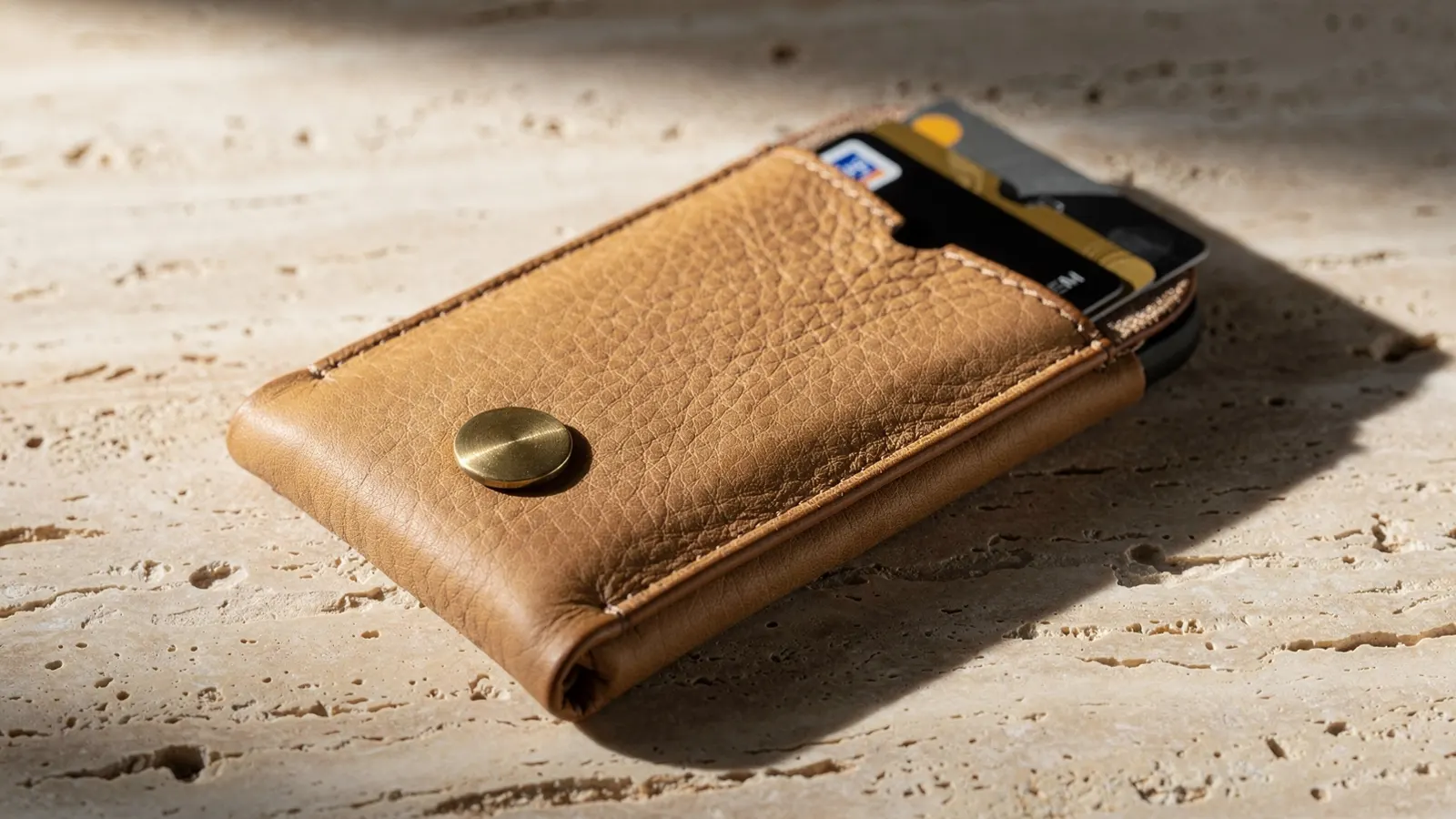
One Product, Three Kinds of Video: A Walkthrough
We took a single photo of a leather wallet case and made a creator video, a product film and a before and after from it. Here is what each one is good for.
Product Video Ideas by Category: 30 Ads You Can Make From One Photo
Skincare, fashion, home, gadgets, food and more. Concrete video ad ideas for each category, with the hook, the format and what the video should show.
How to Make UGC Ads With AI: A Step-by-Step Guide
A practical walkthrough for turning one product photo into a creator-style video ad, from picking the photo to testing three hooks against each other.