
On this page
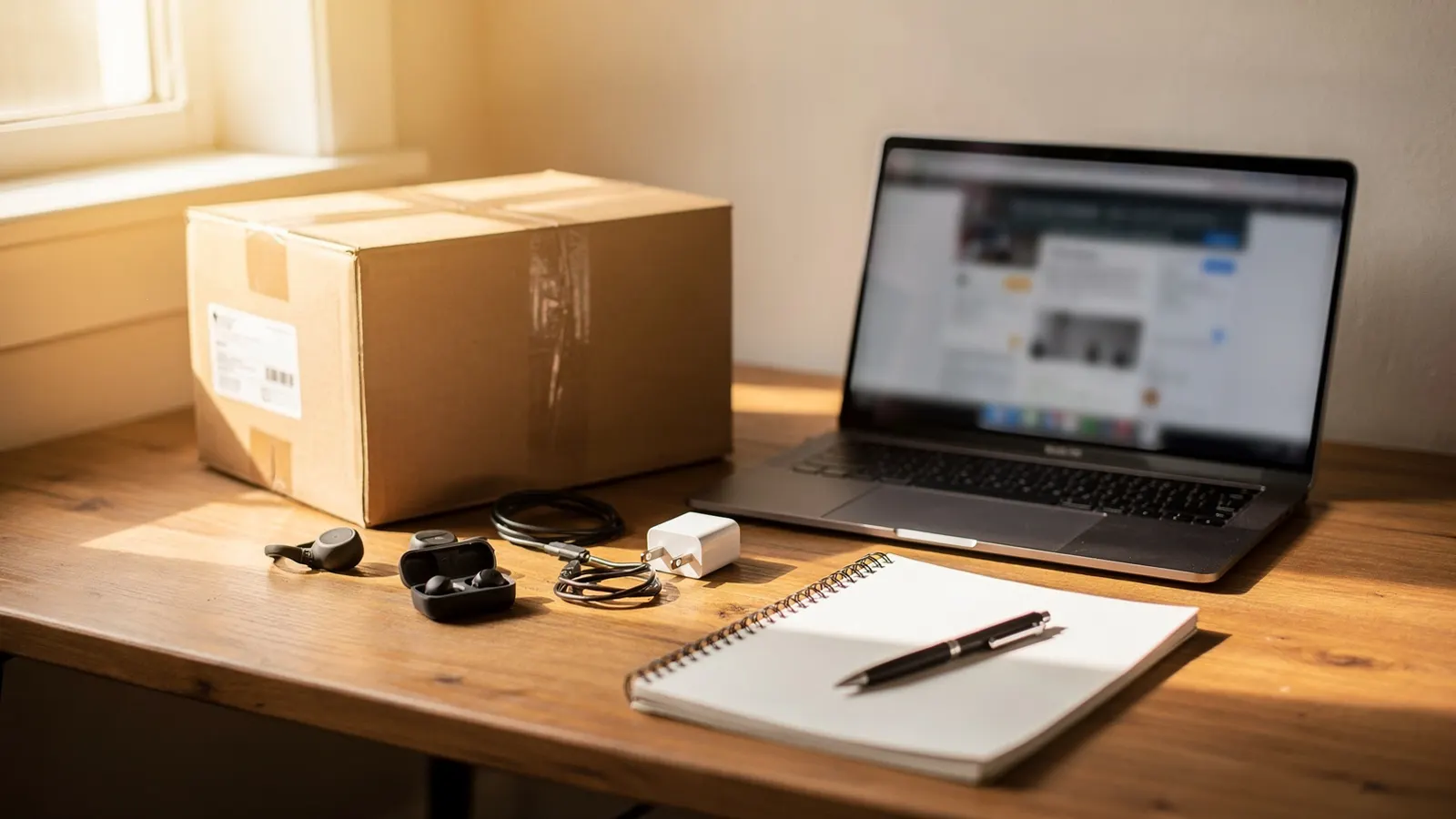
Dropshipping has a video problem built into it. The ads that sell are short videos of a product being used, and you don't have the product. Ordering samples for every product you want to test costs money and weeks. By the time they arrive, the trend may be over.
AI video lets you test the idea first and buy samples only for the products that earn it. Here's how to do that without burning your ad budget.
The core idea: test the offer, not the product
When you launch a new product, you're not really testing the product. You're testing whether a certain message about it makes people buy. Video is how you deliver that message. If you can make that video from the supplier's photo, you can test ten products in the time it used to take to test one.
Step 1: Get a usable photo
The supplier's listing photos are the starting point. Pick the cleanest one:
- The product alone, on a plain background if possible.
- High resolution. Blurry images give blurry video.
- No watermarks or text overlays from the supplier. They confuse the model and can create copyright trouble.
If every photo has a watermark, message the supplier. Most will send clean images on request.
Step 2: Make three angles per product
Don't make one video and hope. Make three, each telling a different story:
| Angle | What it says | Example for a portable blender |
|---|---|---|
| Problem first | "You have this frustration" | Sticky kitchen counter, a morning rush, no time for breakfast |
| Social proof | "Someone like you loves it" | A friend asks about it at the gym |
| Before and after | "Here's the result" | Messy smoothie prep versus a clean one-bottle blend |
Step 3: Keep the budget per test small and equal
- Put all three videos in one testing ad set with the same budget each.
- Decide your kill rule before you launch. For example: if an ad spends twice your break-even cost per purchase with no sale, stop it.
- Don't touch anything for a few days. Early numbers swing wildly.
Step 4: Read the signals
Sales are slow at low budgets, so use earlier signals to decide:
| If you see | It probably means | Do this |
|---|---|---|
| People stop but don't click | The hook works, the offer doesn't | Change the call to action or the price |
| People click but don't buy | The ad works, the store page doesn't | Fix the product page before blaming the ad |
| Nobody stops scrolling | The hook is weak | Try new openings with the same story |
| One angle clearly wins | You found the message | Make five variations of that angle |
Step 5: Scale what wins, then order samples
Only once a product proves itself with AI video does it make sense to order samples. Now you can:
- Film real footage to add authenticity to your winning ads.
- Check quality before a big shipment.
- Hand a creator a brief you already know works.
What to avoid
Claims the product can't back up. Supplier listings are full of exaggerations. If the video promises something the product doesn't deliver, you pay for it in refunds and chargebacks.
Copying another store's ads. Using someone else's video is a copyright problem and gets ads rejected. Making your own from a product photo avoids it.
Testing too many things at once. One product, three angles, one budget. Clean tests give clear answers.
The numbers that make this work
A 10-second video on AdVideoLab costs a few dollars in credits. Three angles for one product costs about the same as a single sample delivered to your door, and you have them today instead of in two weeks.
Want to see the angles before you make anything? Paste the supplier's product page into the free ad script generator. It writes three scripts and a quick read of who the product is for.
More in Strategy
AI UGC vs Hiring Creators: What Each One Really Costs
Creators, agencies and AI all make UGC ads. Here is how the costs actually add up, including the parts nobody puts on the invoice.
A Simple Creative Testing System for Meta Ads Using AI Video
Most Meta accounts don't have a targeting problem, they have a creative problem. Here is a testing routine small teams can actually keep up with.
Native-Language Video Ads: One Product Photo, Nine Languages
Selling abroad works better when the ad speaks the buyer's language. Here is how to localise video ads properly, and what translation alone gets wrong.